Last updated on 10/09/2025
Stories
Open to the Public: Water Management Technical Feedback Meeting Jan. 28
SJRRP Water Management Technical Feedback MeetingJanuary 28th, 3-4pmReno, NVSilver Legacy, Silver Baron Room EThe San Joaquin River Restoration Program will again be hosting a Water Management Technical Feedback meeting during the Mid-Pacific Water Users Conference in Reno, NV for those available in person. Attendance by phone and/or Microsoft Teams will also be available as provided below.These meetings…

2026 Channel Capacity Report Available
The San Joaquin River Restoration Program, through its partnering agency, the California Department of Water Resources, has released the Final Channel Capacity Report for the 2026 Restoration Year. The primary objective of this report is to provide the Channel Capacity Advisory Group (CCAG) and the public a summary of the prior Restoration Year’s data, methods,…
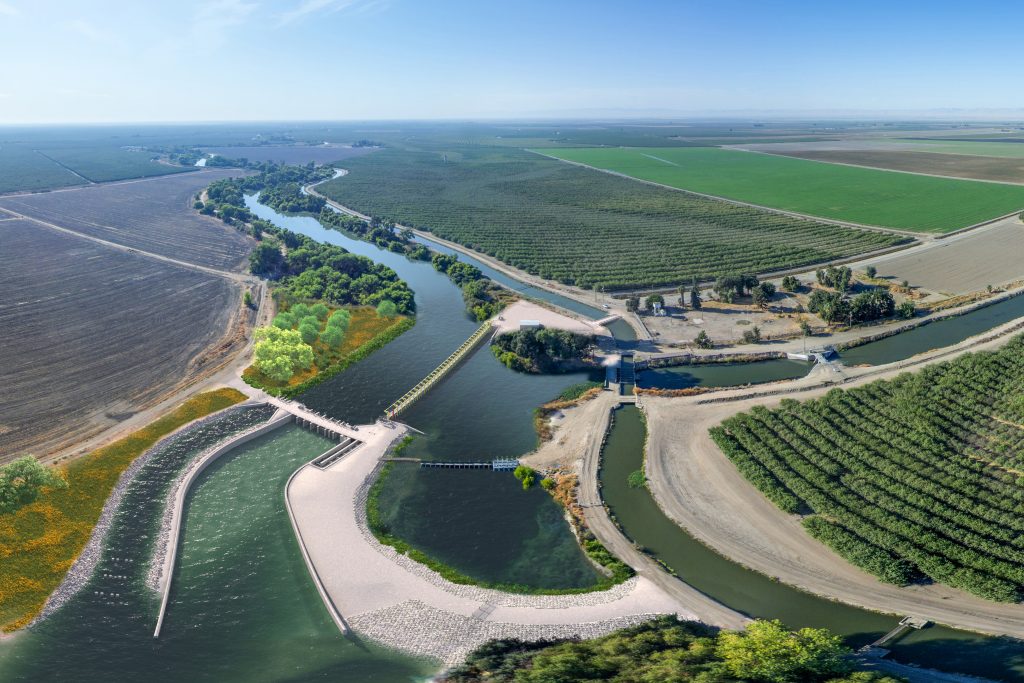
$93M awarded for Arroyo Canal Fish Screen and Sack Dam Fish Passage Project
The Bureau of Reclamation has awarded a major construction contract for the Arroyo Canal Fish Screen and Sack Dam Fish Bypass Project. The $93 million award to NW Construction, Inc. marks a significant milestone in the continued effort to improve fish passage required under the 2006 San Joaquin River Restoration Settlement and the 2009 San…
When and Where to Make the River Flow
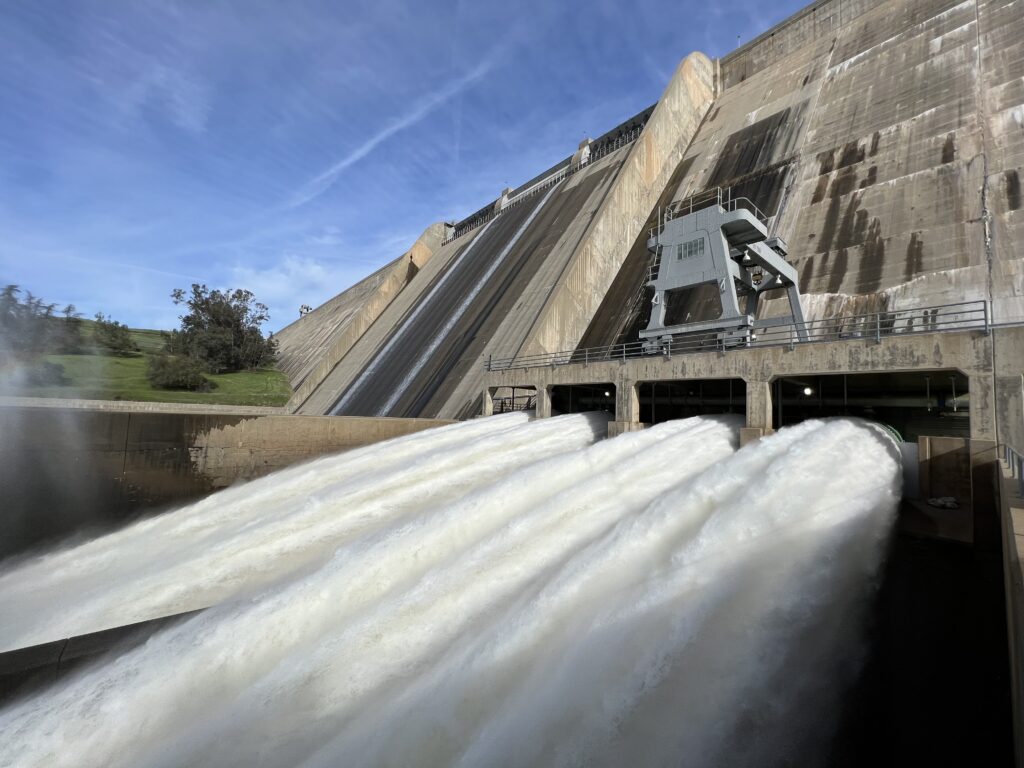
Central Valley spring-run Chinook salmon evolved to take advantage of the Sierra’s cold, snow-fed, mountain water. Making the journey from the Pacific Ocean upriver much earlier than their fall-run counterparts, spring-run Chinook adults return to their natal streams when flows are high and water temperatures are low. Then, instead of spawning and completing their lifecycle…
Record-Breaker! Salmon return in droves for 2025
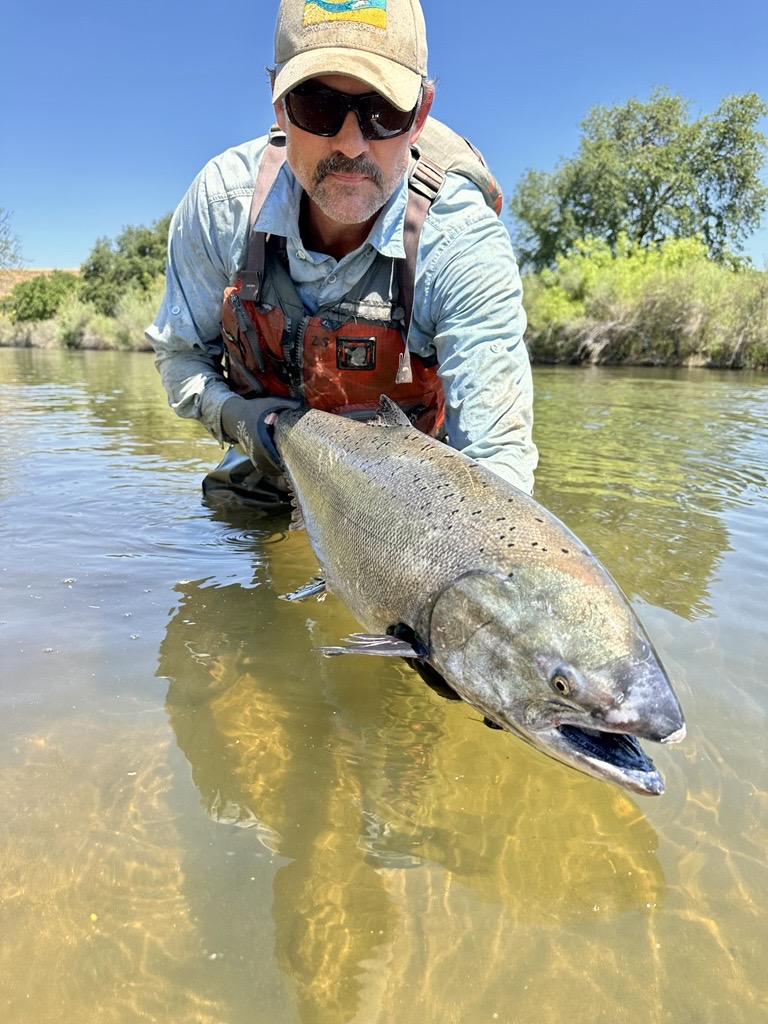
The San Joaquin River Restoration Program set a new record this year for returning adult spring-run Chinook salmon: 448 – the highest number of captured returns recorded since the Program started reintroducing spring-run juveniles in 2014. “The high return numbers clearly demonstrate that spring-run Chinook can survive and return to spawn in the San Joaquin…
Program updates 2025 Restoration Flow Schedule
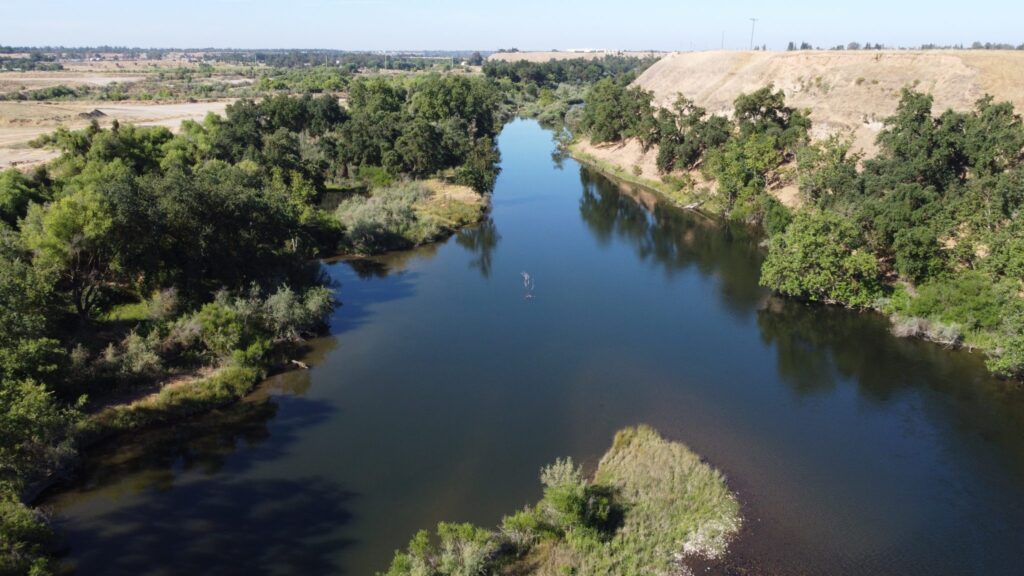
2025 Restoration Flow Schedule Update The Restoration Administrator, an independent body stipulated by the Settlement, has revised the river flow schedule for the months of April and May. This schedule has now been approved by Reclamation and features an increase in releases from Friant Dam beginning April 7, postponing the reduction in releases until April…
Notes and Slidedeck for January 29 Water Management Goal Technical Feedback Meeting
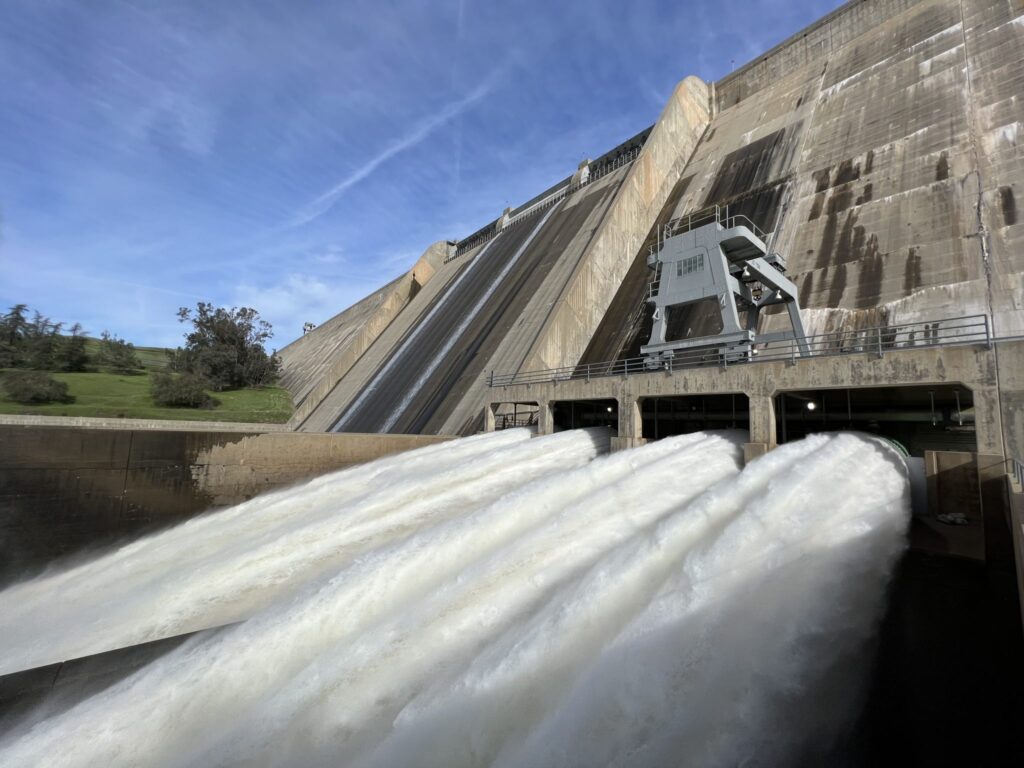
The SJRRP held an open-to-the-public Water Management Goal Technical Feedback Meeting on Wednesday, January 29, 2025 to coincide with the Mid-Pacific Water Users’ Conference in Reno, Nevada. This meeting was held in-person and virtually. Meeting notes and PowerPoint slides from the meeting are located below. If there are any problems accessing, please reach out to…
Program staff receive high praise, prestigious awards
Strong leadership and quick-thinking landed two San Joaquin River Restoration Program staff recognition for their Program-related efforts this week at the Bureau of Reclamation Regional Leadership Team awards ceremony. Donald E. Portz, SJRRP Program Manager, received Reclamation’s Superior Service Citation for his SJRRP-related efforts. The award recognized Dr. Portz as, “a steadfast driving force in…
Draft Channel Capacity Report For The 2025 Restoration Year Available For Review
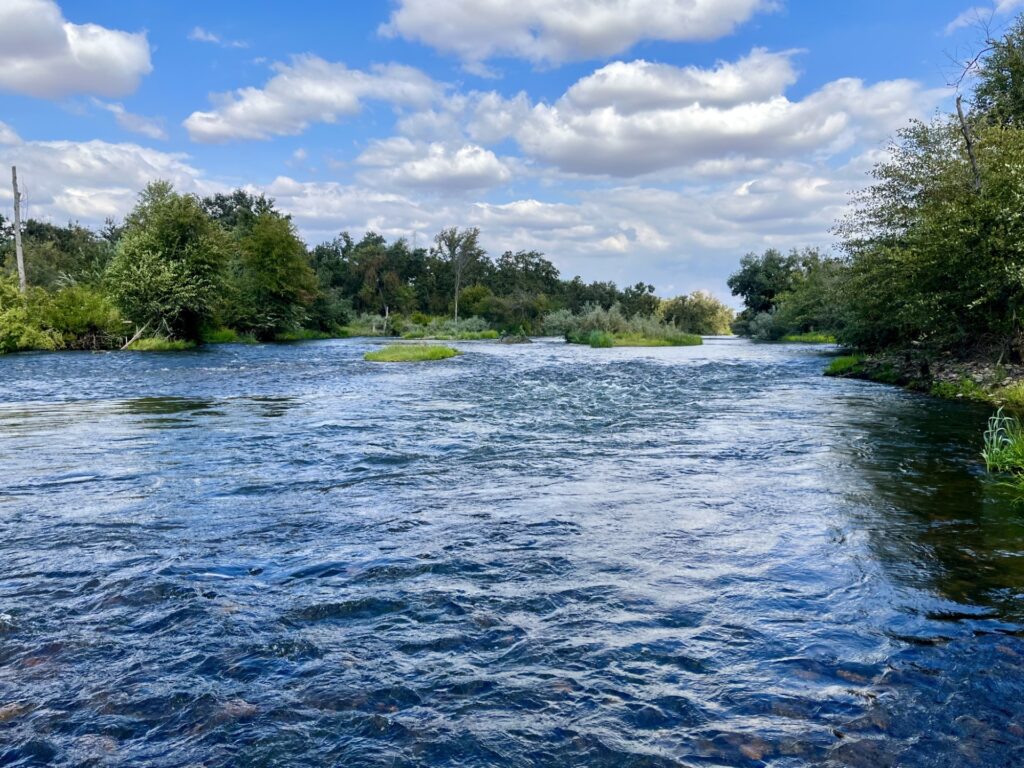
The San Joaquin River Restoration Program, through its partnering agency, the California Department of Water Resources, has released the Draft Channel Capacity Report for the 2025 Restoration Year. The primary objective of this report is to provide the Channel Capacity Advisory Group (CCAG) and the public a summary of the prior Restoration Year’s data, methods,…
Program to release first ever summer pulse flow for salmon spawning
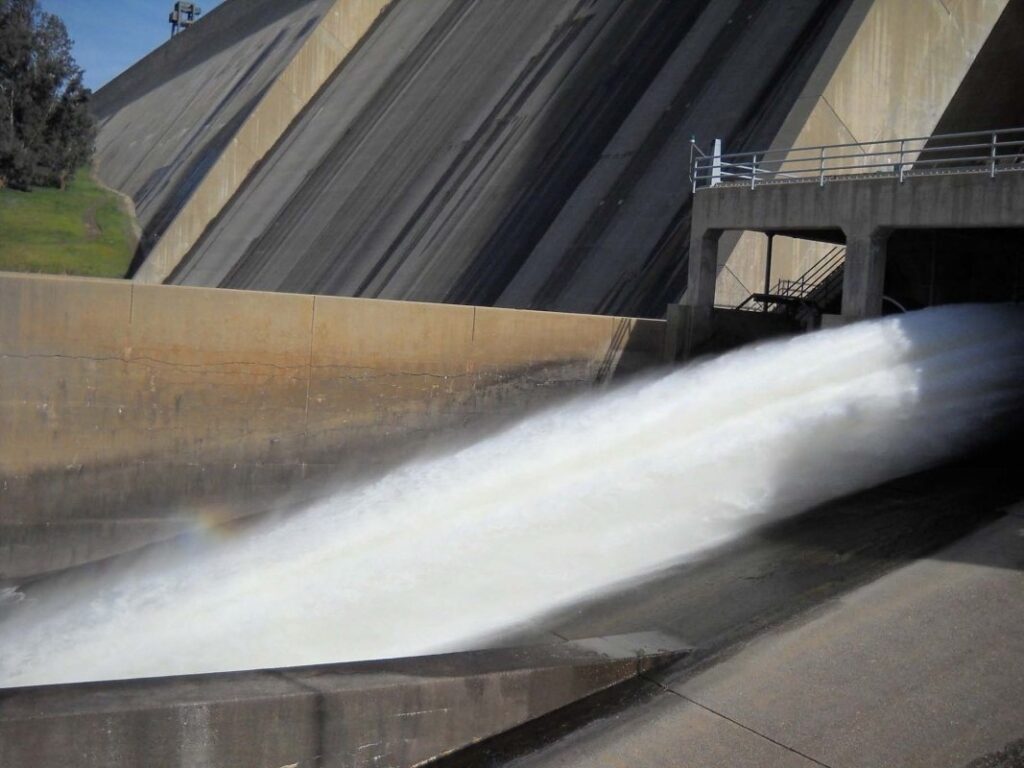
Starting early morning, Tuesday, September 10, the San Joaquin River Restoration Program (Program) will release a scheduled pulse flow on the San Joaquin River. Friant Dam releases will increase from 450 cubic-feet-per-second (cfs) to 1500 cfs for several hours, then decrease to 1000 cfs overnight and return to normal Friant Dam releases on Wednesday, September…