
Last updated on 10/09/2025
Stories
Eastside Bypass Improvements IS/EA Released for Comment
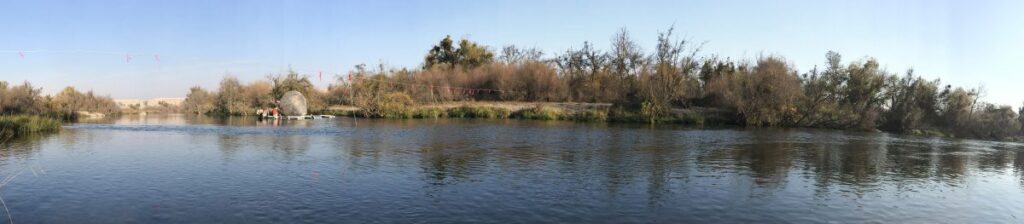
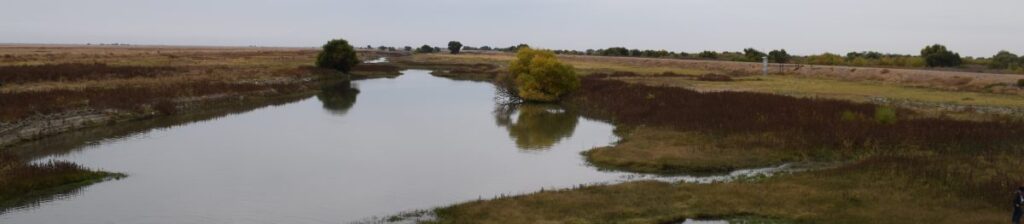
Comment period extended for San Joaquin River fish passage and flow improvement environmental document SACRAMENTO, Calif. – The Bureau of Reclamation and the California Department of Water Resources have prepared a joint Initial Study and Environmental Assessment for the Eastside Bypass Improvements Project. The proposed project, part of the San Joaquin River Restoration Program, has…
First time in over 60 years: spring-run Chinook salmon spawn in the San Joaquin
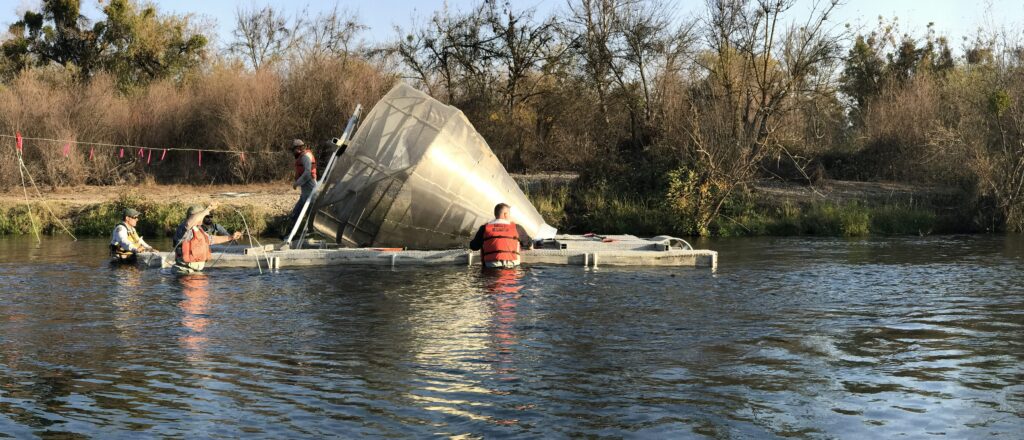
December 1, 2017 Seasonal Monitoring Reveals a Program Milestone: Successful Spawning A multi-agency effort to bring salmon runs back to the San Joaquin River has proven it is possible for spring-run Chinook salmon to successfully spawn in the river – a major first milestone for the San Joaquin River Restoration Program. […]
Draft Channel Capacity Report Released
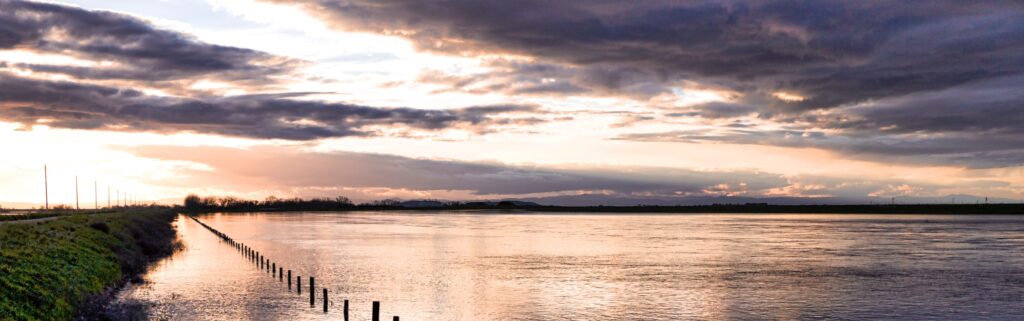
September 20, 2017 – Program Releases Draft Channel Capacity Report for 2018 Restoration Year for Review The primary objective of this report is to provide the Channel Capacity Advisory Group (CCAG) and the public a summary of the prior Restoration Year’s data, methods, and estimated channel capacities, as well as, recommendations for monitoring and management…
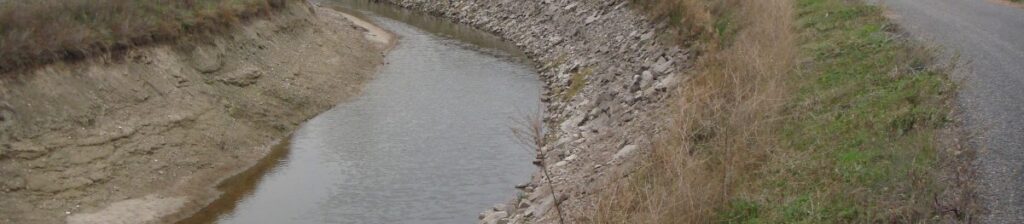
LTRRRF EIS/R Final Project Description Tech Memo Released
September 18, 2017 – Did you know the Program reuses water from Restoration Flows and provides it to Friant farmers? Read the recently released Final Project Description Technical Memorandum for the Long-Term Recapture and Recirculation of Restoration Flows EIS/R for more information about this exciting project. Read here! For more information about the Long-term Recapture…
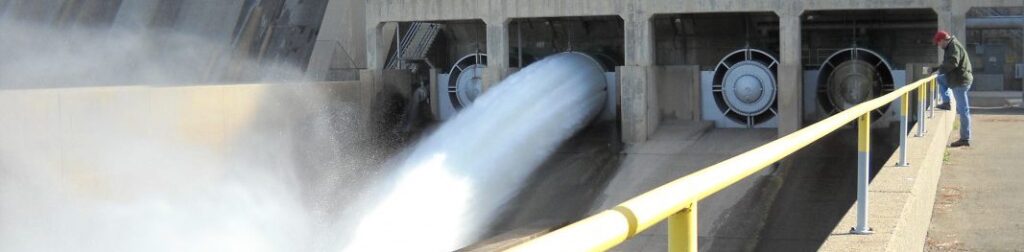
Pulse Flow for Salmon
September 6, 2017 – A pulse flow intended to mimic the natural hyrdrograph of the river was recently made from Friant Dam in order to assist 120 adult spring-run Chinook salmon with access to available habitat for spawning. Approximately 1,250 acre-feet of the 2017 Restoration Flow allocation was used for the pulse flow which began…